
Hydration vs. Moisture: What Your Skin Actually Needs
When it comes to achieving healthy, radiant skin, two skincare terms are often confused: hydration and moisture. While they work together to support skin health, they serve different functions, and understanding the difference can make a significant impact on your skincare routine.
At Ella Pure, we believe skincare should be rooted in science and designed to support the skin's natural ability to look and feel its best. That's why our formulations are designed to help deliver both hydration and moisture, creating a balanced approach to healthy-looking skin.
Hydration vs. Moisture: What's the Difference?
Think of hydration and moisture as two essential pieces of the same puzzle.
Hydration refers to the water content within your skin cells. Well-hydrated skin appears plump, smooth, and vibrant.
Moisture refers to the oils and lipids that help seal hydration into the skin and support the skin's protective barrier.
Your skin needs both. Without hydration, skin can appear dull and tired. Without moisture, hydration can escape, leaving skin feeling dry, rough, or irritated.
What Happens When Skin Is Dehydrated?
Dehydrated skin lacks water, not oil. This means even individuals with oily skin can experience dehydration.
Common signs of dehydrated skin include:
Tightness after cleansing
Dull or tired-looking complexion
Increased appearance of fine lines
Rough texture
Increased sensitivity
Hydration-focused ingredients help attract and retain water within the skin, improving its overall appearance and comfort.
Some of the most effective hydrating ingredients include:
Hyaluronic Acid
Aloe Vera
Glycerin
Amino Acids
Panthenol (Vitamin B5)
These ingredients help replenish moisture levels within the skin, creating a fresher, healthier appearance.
What Happens When Skin Lacks Moisture?

Dry skin is often the result of a compromised skin barrier and insufficient oils.
Signs of dry skin may include:
Flakiness
Rough patches
Redness
Itching
Increased sensitivity
Moisturizing ingredients help support the skin barrier and reduce water loss.
Common moisturizing ingredients include:
Plant Oils
Ceramides
Fatty Acids
Squalane
Botanical Extracts
These ingredients help lock hydration into the skin while supporting long-term skin health.
Why Your Skin Needs Both
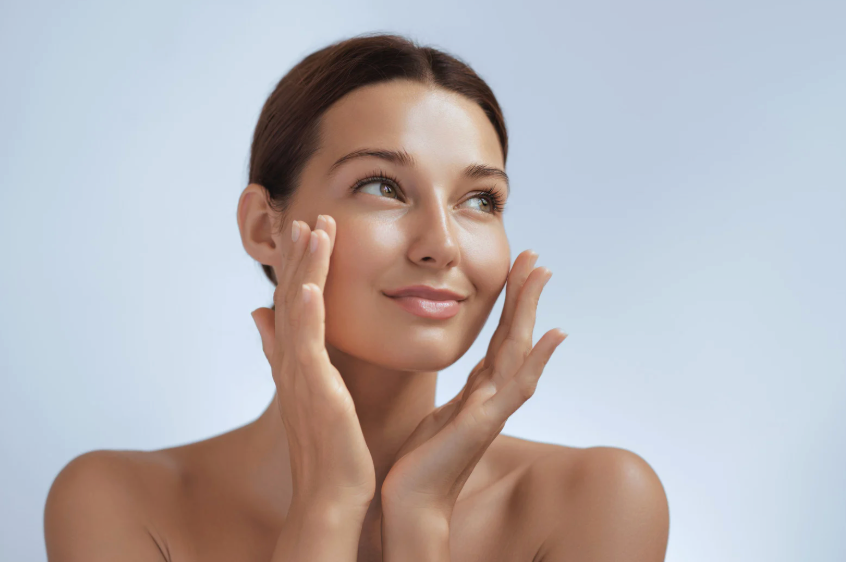
One of the biggest skincare mistakes is focusing on hydration or moisture alone.
Hydration adds water to the skin.
Moisture helps keep that water from escaping.
Together, they help support:
Smoother skin texture
Improved elasticity
A stronger skin barrier
Reduced appearance of fine lines
A healthier, more radiant complexion
The most effective skincare routines include products that address both needs simultaneously.
The Ella Pure Approach to Hydration and Moisture
At Ella Pure, we understand that healthy skin starts with balance. That's why our 3-Step Peptide System was developed to help cleanse, hydrate, and nourish the skin while supporting its natural barrier.
Step 1: Ella Pure Peptide Cleanser
Healthy hydration begins with proper cleansing.
The Ella Pure Peptide Cleanser gently removes impurities without stripping the skin of its natural moisture. Formulated with ingredients such as glycerin, panthenol, hemp seed oil, and botanical extracts, it helps prepare the skin for the next steps in your routine while supporting overall skin comfort.

Step 2: Ella Pure Peptide Serum
Hydration is where the transformation begins.
The Ella Pure Peptide Serum features amino acids, plant-derived hydration support, aloe vera, and advanced peptides that help support the appearance of smoother, healthier-looking skin. These ingredients work together to help replenish hydration and improve the skin's overall appearance.
Step 3: Ella Pure Peptide Moisturizer
Once hydration is delivered, it must be protected.
The Ella Pure Peptide Moisturizer helps seal in hydration while supporting the skin barrier with advanced peptide technology and nourishing ingredients. This final step helps the skin maintain a soft, smooth, and refreshed appearance throughout the day.
Can Oily Skin Still Need Hydration?
Absolutely.
Many people assume oily skin doesn't need additional hydration, but the opposite is often true. When skin becomes dehydrated, it may increase oil production in an attempt to compensate.
Providing proper hydration can help support balance, allowing the skin to function more effectively without overproducing oil.
This is why lightweight hydration combined with barrier-supporting moisture is important for all skin types.
Supporting Skin Health from the Inside Out
Healthy skin isn't created by skincare products alone. Daily habits also play an important role.
To support hydration and overall skin wellness:
Drink adequate water throughout the day
Eat nutrient-dense foods
Prioritize quality sleep
Manage stress levels
Protect skin from environmental stressors
When combined with a science-backed skincare routine, these habits help support long-term skin vitality.
Final Thoughts
Understanding the difference between hydration and moisture is one of the most important steps toward healthier-looking skin.
Hydration helps replenish water within the skin, while moisture helps lock that hydration in and support the skin's protective barrier. Together, they create the foundation for a balanced, radiant complexion.
At Ella Pure, our peptide-powered skincare philosophy is built around supporting both hydration and moisture, helping your skin look refreshed, nourished, and naturally beautiful.
Because great skincare isn't about choosing hydration or moisture it's about giving your skin both.


Comments